Haven
Neuro-Inclusive Puzzle Adventure Game for Teens with ADHD
Role:
UX/UI Designer, Game UX
Team: 3
Timeline:
6 weeks
Platform:
Mobile (Android, IOS)
Tools:
Figma, User Research, Prototyping,
Overview
Haven is a mobile puzzle-adventure game built specifically for teens with ADHD. It blends short bursts of gameplay, emotional check-ins, and narrative-driven habit quests to support focus, self-regulation, and self-expression — without ever feeling clinical or prescriptive.
The experience reframes emotional regulation as play, allowing teens to engage at their own pace through calming visuals, adaptive mechanics, and low-pressure progression.
Problem
Many existing ADHD-focused digital tools for teens fall into two extremes:
they are either overly clinical and restrictive, or too passive and disengaging to sustain attention.
Games designed for general audiences often overlook ADHD-specific cognitive needs such as:
short attention cycles
sensitivity to overstimulation
difficulty with sustained focus and emotional regulation
Key challenge:
How might we design a game that supports emotional regulation and focus for teens with ADHD while still feeling fun, empowering, and non-clinical?
Goals
Support short attention spans through bite-sized gameplay loops
Encourage emotional awareness without medical framing
Reduce cognitive overload through calm, flexible design
Create a sense of progress without pressure or punishment
Design for neurodivergent teens, not adapt after the fact
Research & Discovery
Research examined attention patterns, overstimulation, and emotional regulation in teens with ADHD to inform a more adaptive and supportive gameplay experience.
Methods
Review of academic research on ADHD, cognition, and play
Analysis of neurodivergent-friendly game mechanics
Competitive review of ADHD-focused and wellness games
Market and audience research on teen gaming behavior
Insights
Teens with ADHD respond best to short, rewarding sessions
1
Overly rigid goals and timers increase stress and disengagement
2
Emotional regulation tools are more effective when embedded in play
3
Visual clutter and complex UI can quickly lead to cognitive overload
4
ADHD Gaming Benefits
User Needs
Teens with ADHD
Freedom to engage without pressure
Gameplay that adapts to mood and energy levels
Clear feedback and progress without punishment
Visually calm, customizable environments
Design Strategy
Haven was designed around therapeutic-by-design principles, where emotional regulation and focus are supported implicitly through play - not instructions.
The experience integrates emotional input directly into gameplay, allowing mood, pacing, and rewards to adapt dynamically to each player.
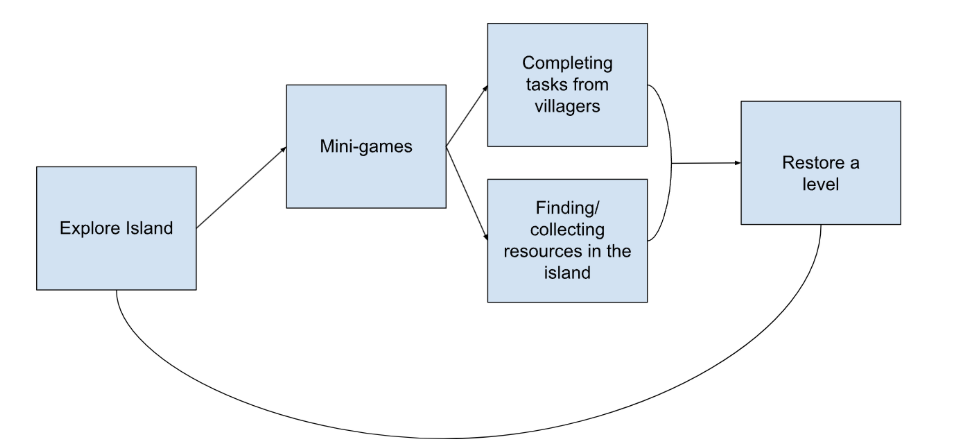
Gameplay Loop
Players explore environments, complete short puzzles, receive rewards, and gradually restore the world through low-pressure progression.
Core Pillars
Short Puzzle Bursts
2–3 minute activities aligned with attention cycles
1
Emotional Check-Ins
Mood selection influences gameplay paths and rewards
2
Adaptive Challenges
Difficulty flexes to avoid boredom or burnout
3
Low Cognitive Load
Minimal clutter, no timers, breathable layouts
4
Empowerment Over Control
Exploration without failure states
5
Key Features
Mood Check-In System
Daily emotional input that shapes environments and rewards
Puzzle Mini-Games
Memory, matching, coloring, word play, and logic challenges
Narrative Exploration
Restoring floating islands through small, achievable goals
Adaptive World Feedback
Visual and audio shifts based on emotional input
Customization
Avatars, themes, and sensory preferences
Solution & Screens
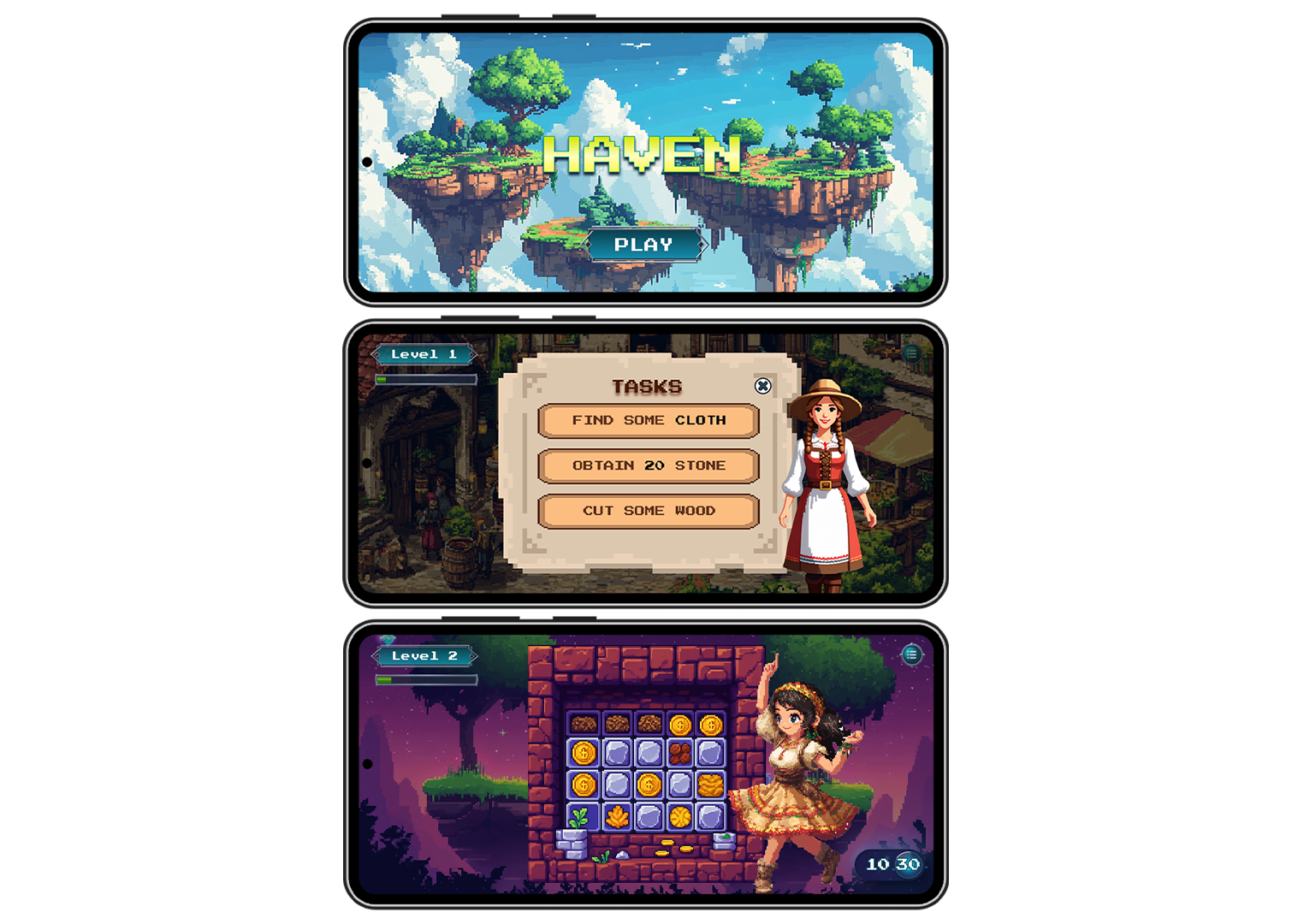
The final experience emphasizes calm, adaptive gameplay that supports focus, emotional awareness, and self-paced progression.
The game experience focuses on:
Calm, pixel-inspired art with soft lighting
Open-ended exploration rather than linear tasks
A supportive companion character as a guide
A non-judgmental tone that celebrates progress
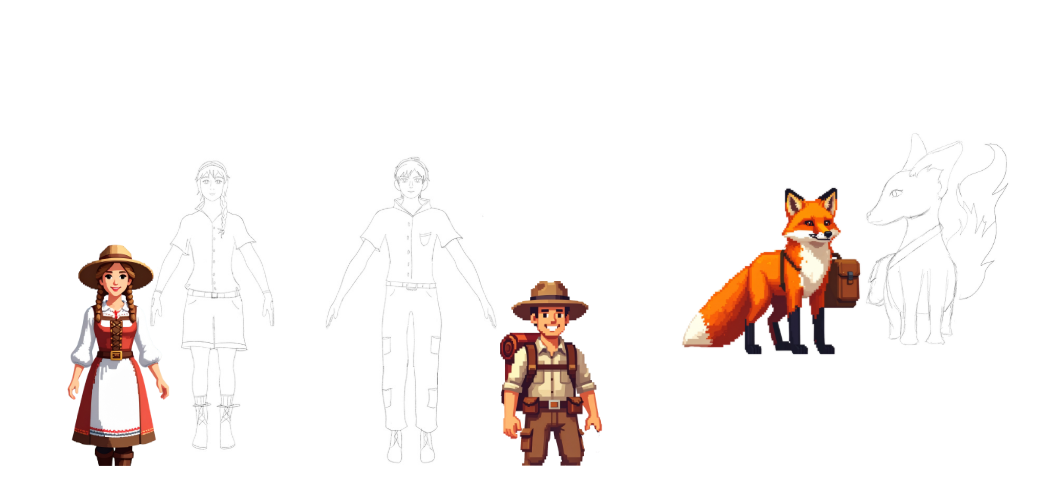
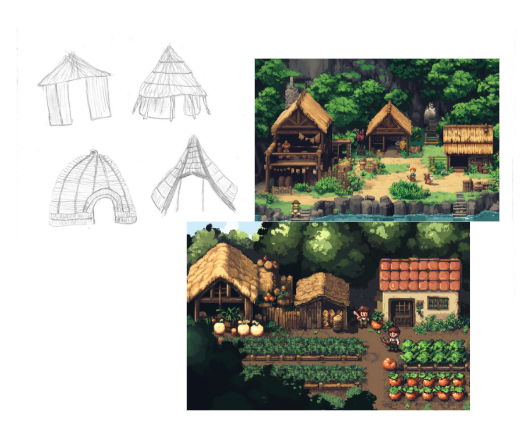
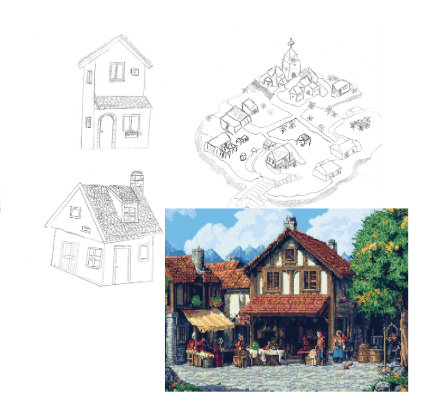
Concept Art
Early concept exploration focused on creating approachable characters and calming environments, translating into a cohesive visual style that supports comfort self expression, and emotional comfort.

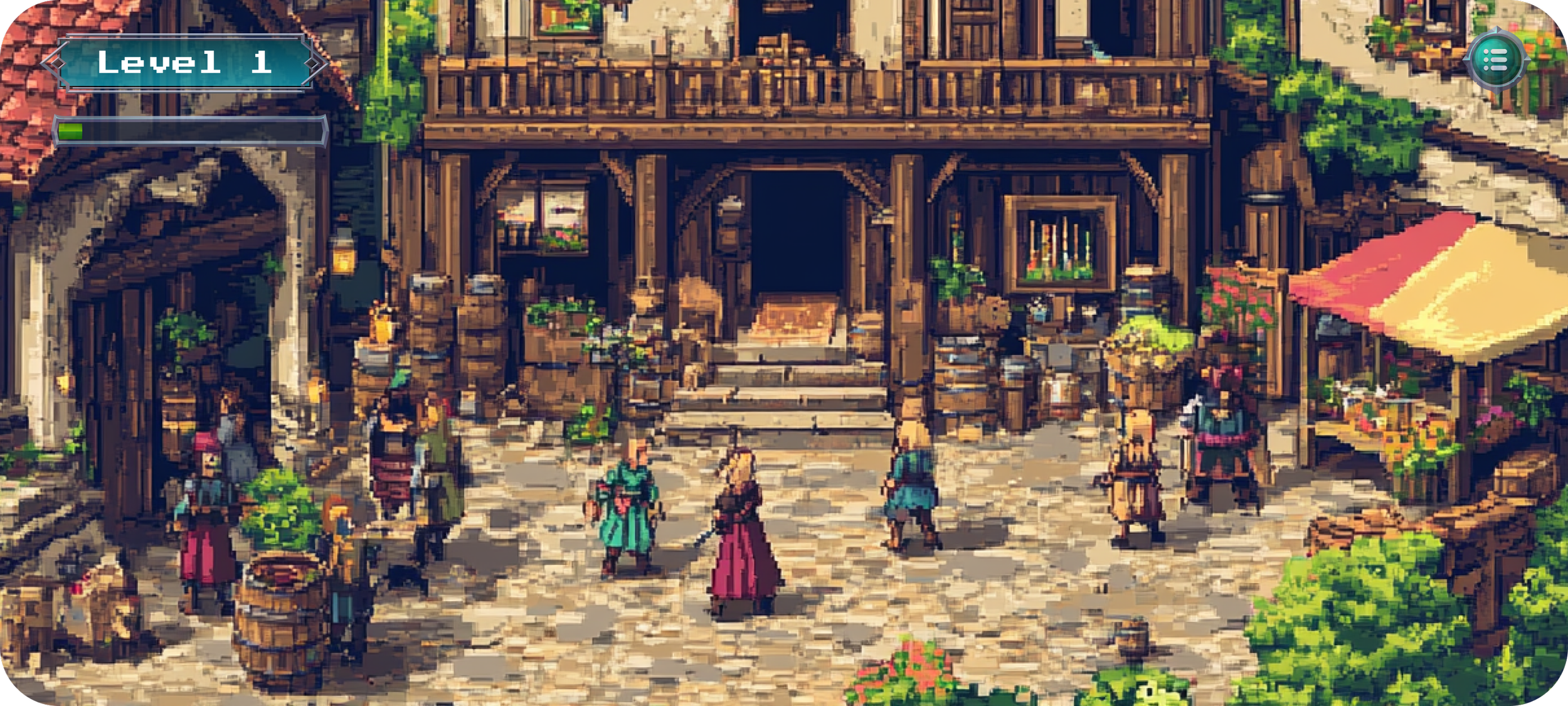
In-Game Environment
The game world uses soft lighting, open space, and gentle motion to create a calming environment that supports focus and reduces cognitive overload.
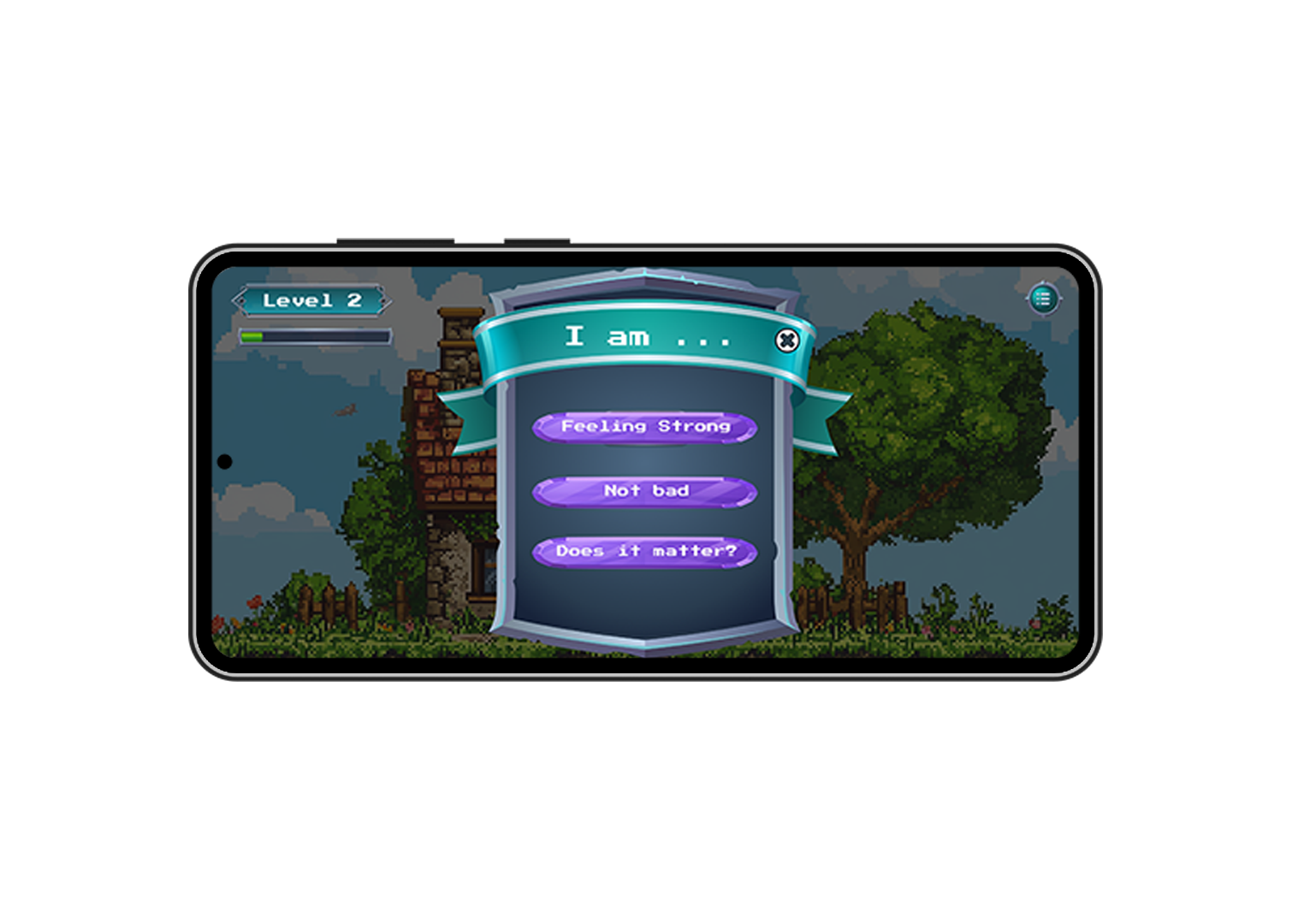
Final Solution
Gameplay is structured around short, adaptive interactions that balance challenge, emotional awareness, and low-pressure progression.
Mood Check-Ins
Emotional check-ins allow players to check their current state, influencing gameplay paths and reinforcing self-awareness without pressure.
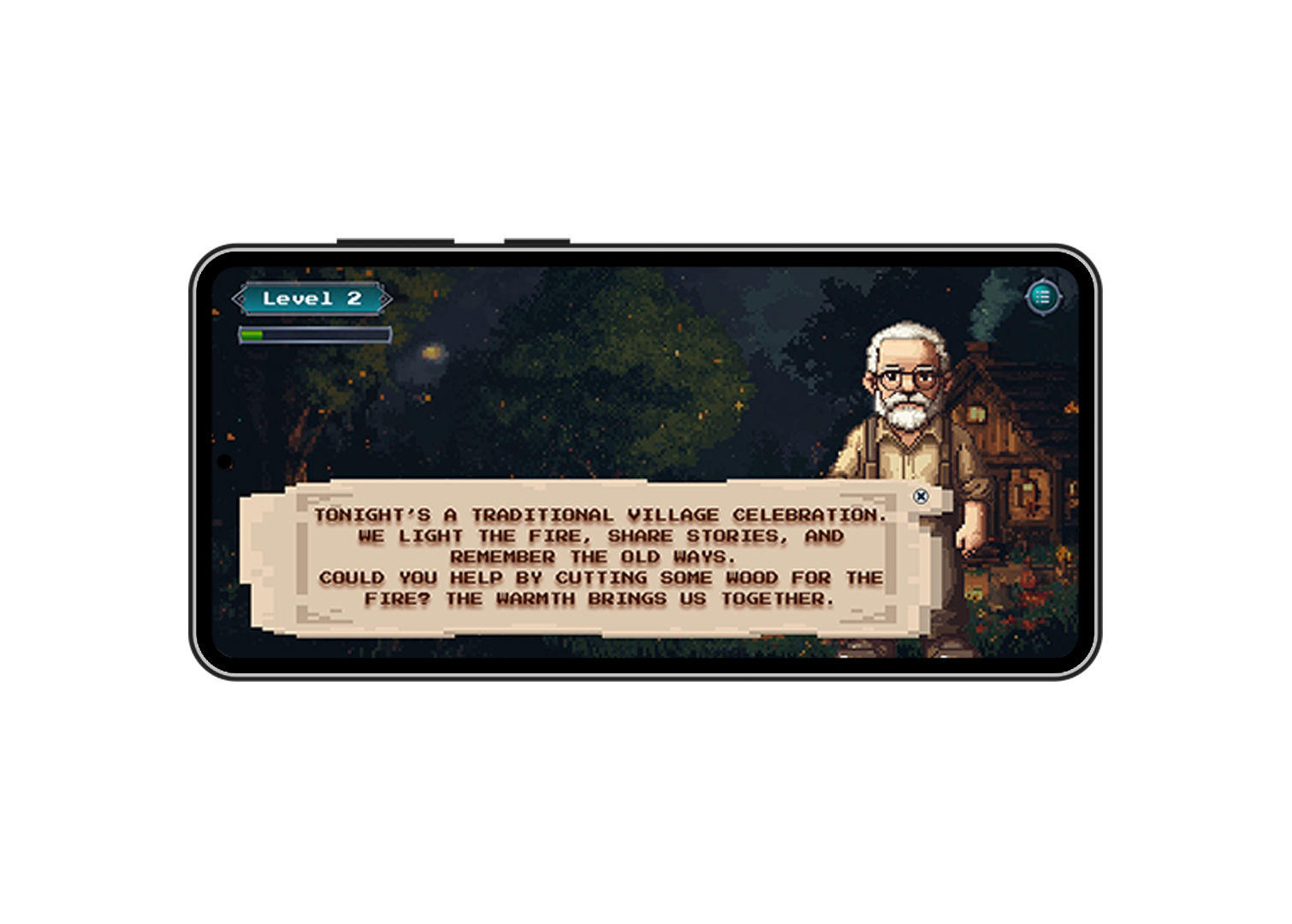
Interactions
Narrative interactions provide gentle guidance and purpose, encouraging engagement without rigid objectives or time-pressure.
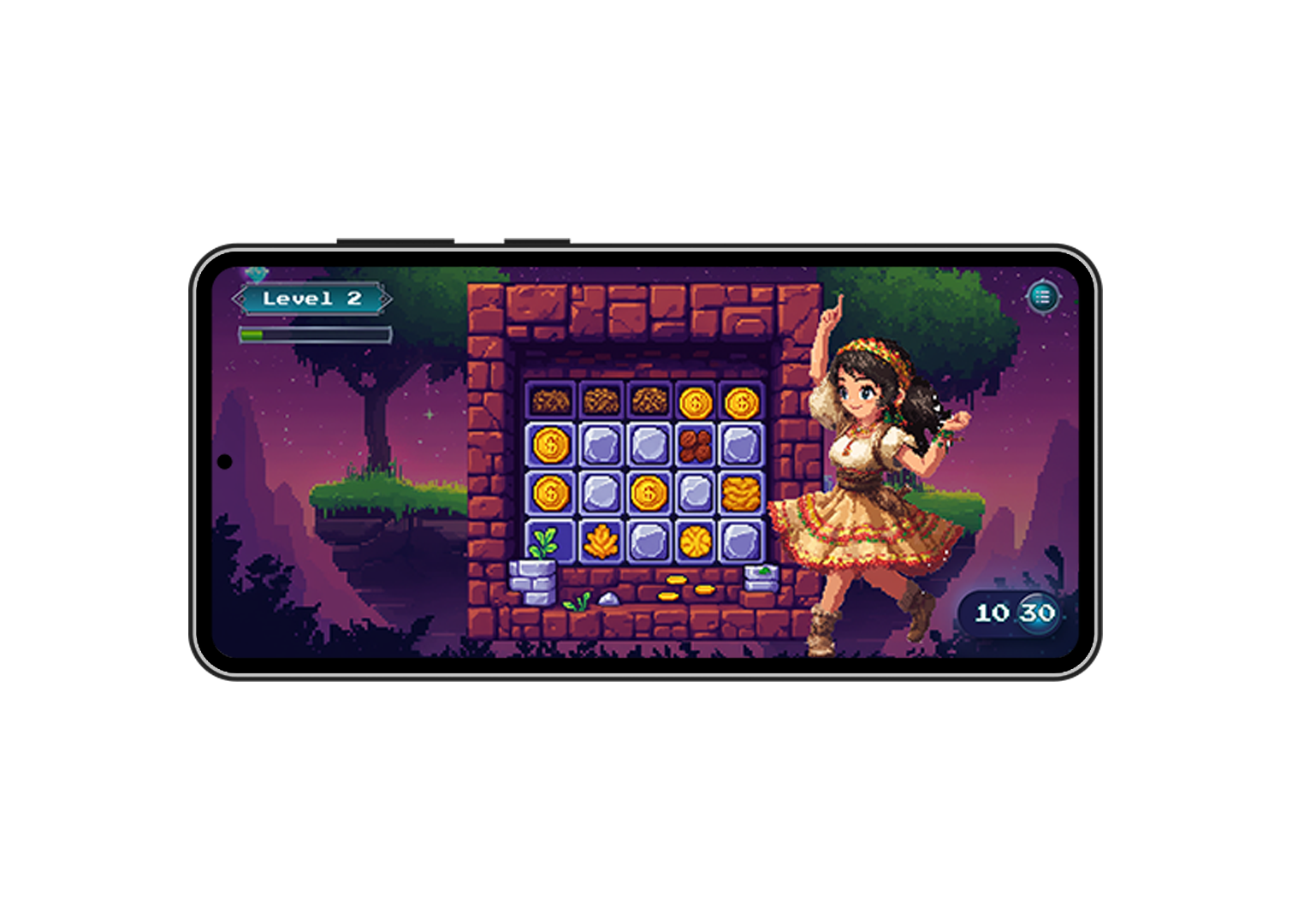
Puzzles
Short puzzle loops are designed to align with attention cycles, offering quick, rewarding interactions that maintain engagement.
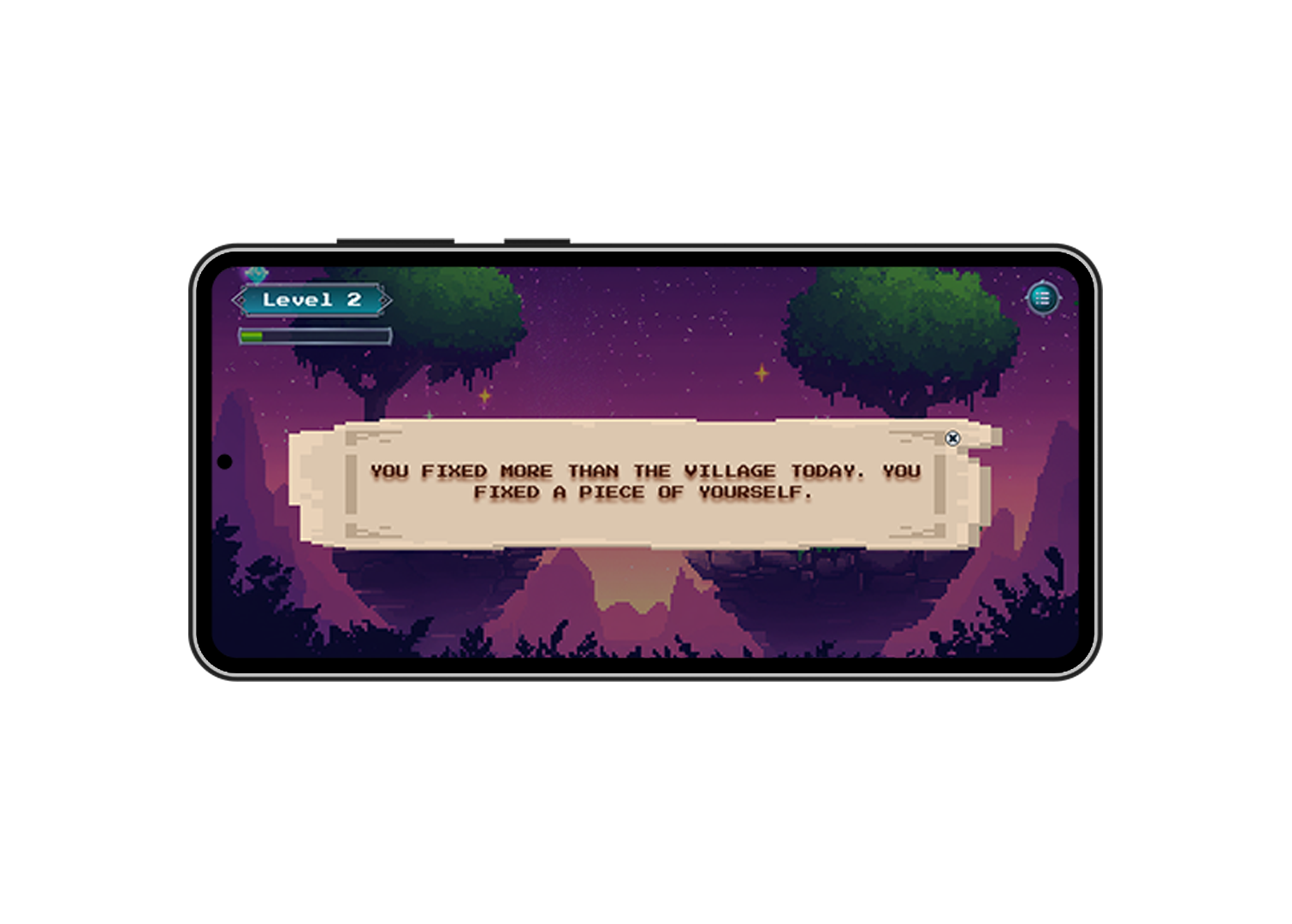
Emotional Feedback
Positive reinforcement ties gameplay progress into emotional growth, encouraging reflection and a sense of personal achievement.
Usability Testing & Iteration
As a concept-stage project, Haven defines success through behavioral and emotional goals rather than live product data.
Usability testing focused on evaluating emotional engagement, session flow, and clarity of gameplay mechanics. Feedback emphasized the importance of short, low-pressure interactions, leading to refinements in puzzle pacing, mood check-ins, and overall visual simplicity.
65%+
Weekly Mood Check-In Rate
50-70K
Daily Active Users
35% - 40%
7-Day Retention Rate
Target metrics
Average session length: 2–5 minutes
Mood check-in engagement rate
Return visits driven by emotional resonance
Reduced disengagement from overstimulation
Impact
Haven demonstrates how game mechanics, narrative, and emotional systems can be intentionally designed to support neurodivergent teens. By integrating emotional input directly into gameplay, the experience reframes self-regulation as something engaging, approachable, and empowering.
The project highlights how play can become a tool for building confidence, supporting focus, and encouraging emotional expression — without relying on clinical framing or external hardware.
Reflection
This project strengthened my skills in neuro-inclusive design, systems thinking within game mechanics, and designing for emotional engagement. It reinforced the importance of flexibility, pacing, and environmental design when creating experiences for cognitively diverse users.
Designing Haven highlighted how small UX decisions—such as feedback timing, visual clarity, and interaction pressure—can significantly impact focus, motivation, and overall user experience.
Future Opportunities
Playtesting with ADHD teens to validate mechanics
Expanding habit-based quests and emotional branching
Refining accessibility and sensory customization
View Full Process Book (PDF) Includes research artifacts, journey maps, ideation frameworks, and testing documentation.